 Marshall J. Jones
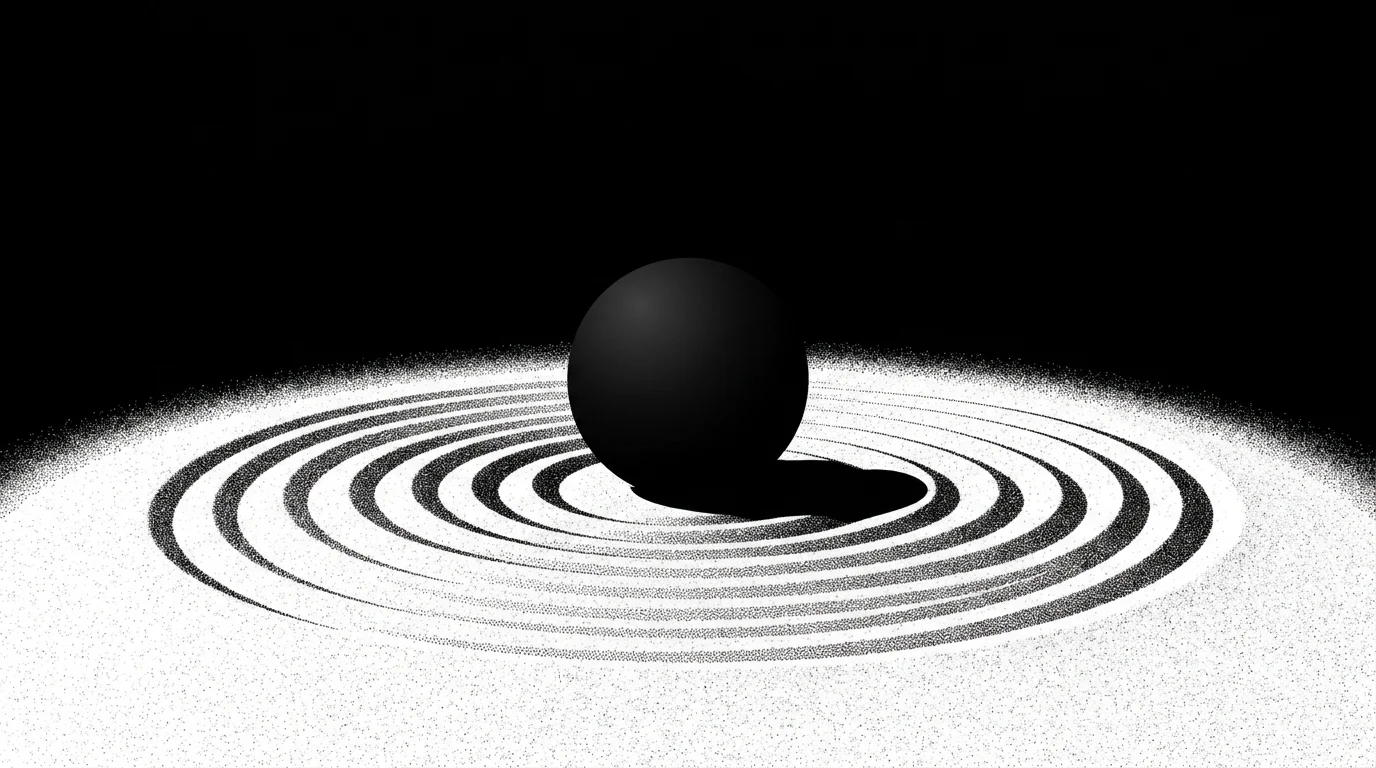
You know the feeling. You are scrolling through your feed when a video appears of a knife slicing through a block of kinetic sand. Or maybe it is a dirty driveway being slowly revealed by a power washer. You didn't plan on watching it, but two minutes later, you are still there, staring at the screen in a trance-like state.
This isn't just a way to kill time. It is a physiological response. We call this "Oddly Satisfying" content, and it has become one of the most dominant forces on platforms like TikTok, YouTube, and Instagram. But why does a video of someone cleaning a rug or organizing a fridge feel so good?
To understand the mind of a satisfying content consumer, we have to look past the pixels and into the neurochemistry of the human brain.
The Neurology of "Just Right"
At the center of this phenomenon is a concept called "Just Rightness." Humans have an innate drive for order and completion. When we see a messy room become clean or a jagged edge become smooth, our brain rewards us with a hit of dopamine.
This is the same chemical released when you finish a difficult task or eat a good meal. The difference here is that you get the reward without doing any of the work. You are essentially hacking your brain's reward system.
The Role of ASMR and Synesthesia
Many satisfying videos overlap with ASMR (Autonomous Sensory Meridian Response). While not everyone experiences the "tingles" associated with ASMR, most people experience a version of it through visual stimuli.
| Feature | Psychological Impact | Why it works |
|---|---|---|
| Repetition | Reduces cognitive load | The brain doesn't have to process new information. |
| Symmetry | Signals safety and health | Evolutionary preference for balanced patterns. |
| Completion | Releases tension | Watching a task finish provides a sense of closure. |
| Texture | Mimics tactile sensation | You "feel" the sand or slime through your eyes. |
Why Our Brains Seek Order in Chaos
We live in a world that feels increasingly unpredictable. Your emails are piling up, the news is stressful, and your to-do list never ends. Satisfying content offers a temporary escape into a world where everything goes exactly as planned.
In these videos, there are no stakes. The rug will get clean. The hydraulic press will crush the object. The paint will be mixed perfectly. This predictability acts as a form of digital meditation. It lowers the heart rate and provides a brief window of control in an otherwise chaotic day.
The "Flow State" by Proxy
Psychologist Mihaly Csikszentmihalyi famously defined "Flow" as the state of being so immersed in an activity that time seems to disappear. Usually, flow requires active participation, like painting or coding. However, satisfying content allows viewers to enter a "passive flow state." You aren't the one painting the fence, but your brain syncs with the rhythm of the brushstrokes, leading to a similar loss of time awareness.
The Different Flavors of Satisfaction
Not all satisfying content is the same. Different people gravitate toward different niches based on what their brain craves at that moment.
- Restoration: Taking something broken (a rusty watch, a rotted shoe) and making it new. This appeals to our desire for renewal and craftsmanship.
- Organization: Restocking a fridge or color-coding a closet. This targets the "Just Right" itch and the need for environmental control.
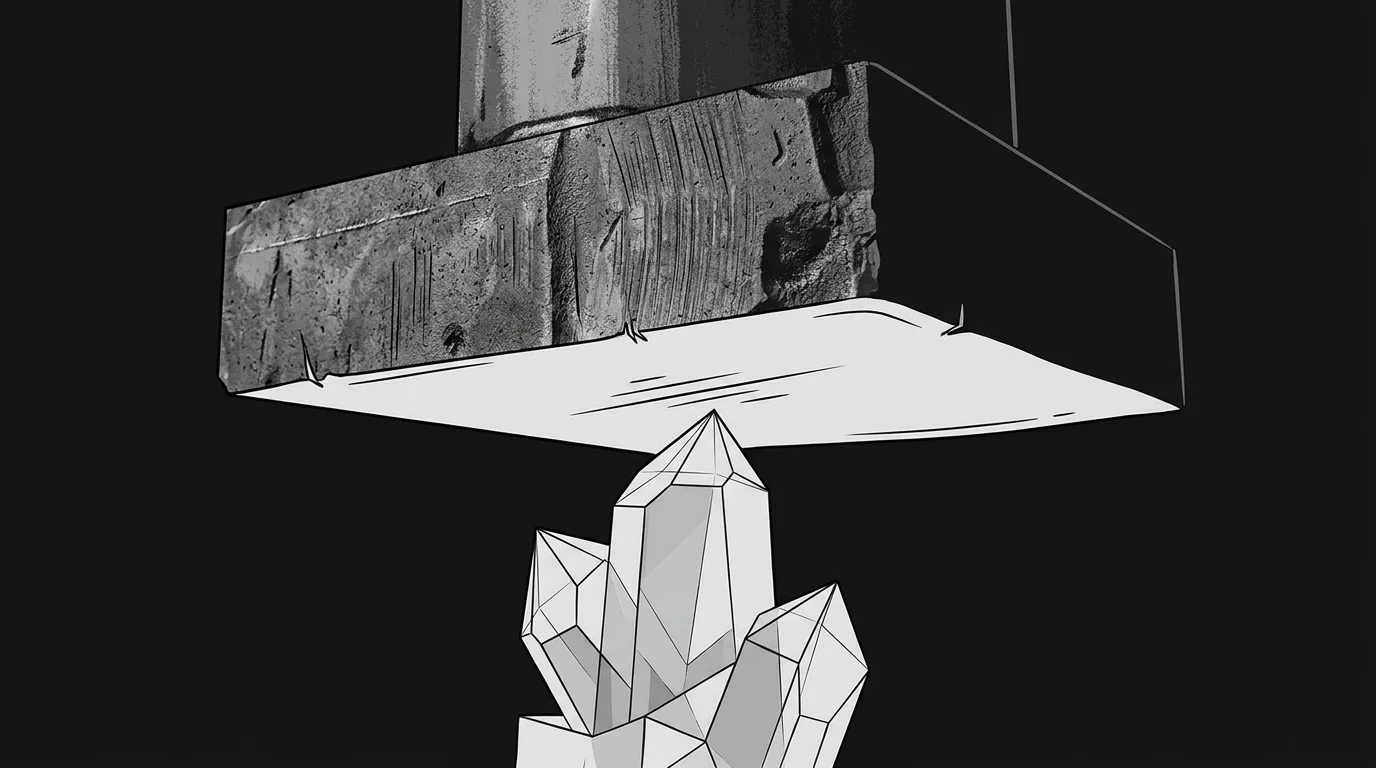
- Destruction: Hydraulic presses or crushing dry floral foam. This provides a safe outlet for pent-up tension.
- Micro-tasks: Slicing soap, scooping beads, or peeling protective plastic off electronics. These focus on tactile sensations and precision.
Which One Are You?
- You prefer seeing things get cleaned (Power washing, rug scrubbing).
- You prefer seeing things get destroyed (Crushing, melting).
- You prefer seeing things get organized (Fridge restocks, stationery sorting).
- You prefer seeing things get created (Lathe turning, pottery).
The Business of Satisfaction
Content creators have turned this psychology into a massive industry. They understand that "satisfying" is a universal language. It doesn't require a translation or a specific cultural context. A person in Tokyo and a person in New York can both find the sound of a hot knife cutting through wax equally pleasing.
This makes the content highly "shareable." Because these videos don't require high cognitive effort, they are the perfect "palate cleanser" between more intense pieces of content.
"Satisfying content is the digital equivalent of a deep breath. It doesn't ask anything of you; it only gives."
The Dark Side: The "Infinite Loop" Trap
While these videos can be relaxing, they also have a downside. The very thing that makes them satisfying—the low cognitive load—makes them incredibly addictive.
Because your brain is receiving small, consistent hits of dopamine without any effort, it is easy to fall into a "scroll hole." You might start watching a 30-second clip and realize forty minutes have passed. The brain stays in a state of "just one more," waiting for the next hit of completion that never quite satisfies the long-term need for actual rest.
How to Use Satisfying Content Effectively
If you find yourself consuming this content, you can make it work for you rather than against you. Use it as a tool, not a crutch.
- The 5-Minute Buffer: Use satisfying videos as a transition between high-stress tasks. It can help "reset" your brain before moving from a difficult meeting to deep work.
- Audio Only: If you find the visuals too distracting, listen to the ASMR components (like rain or soft tapping) while you work to maintain a rhythmic focus.
- Avoid Before Bed: The blue light and the dopamine spikes can interfere with your sleep cycle, even if the content feels "relaxing."
Final Thoughts
The mind of a satisfying content consumer isn't lazy or bored. It is a mind looking for a moment of peace. In a digital landscape designed to outrage and overstimulate us, these videos are a quiet rebellion. They remind us that there is beauty in order, rhythm in work, and a profound sense of relief in seeing a task finally, perfectly finished.
Next time you catch yourself staring at a video of someone peeling a giant sticker off a window, don't feel guilty. Your brain is just taking a well-deserved break.